

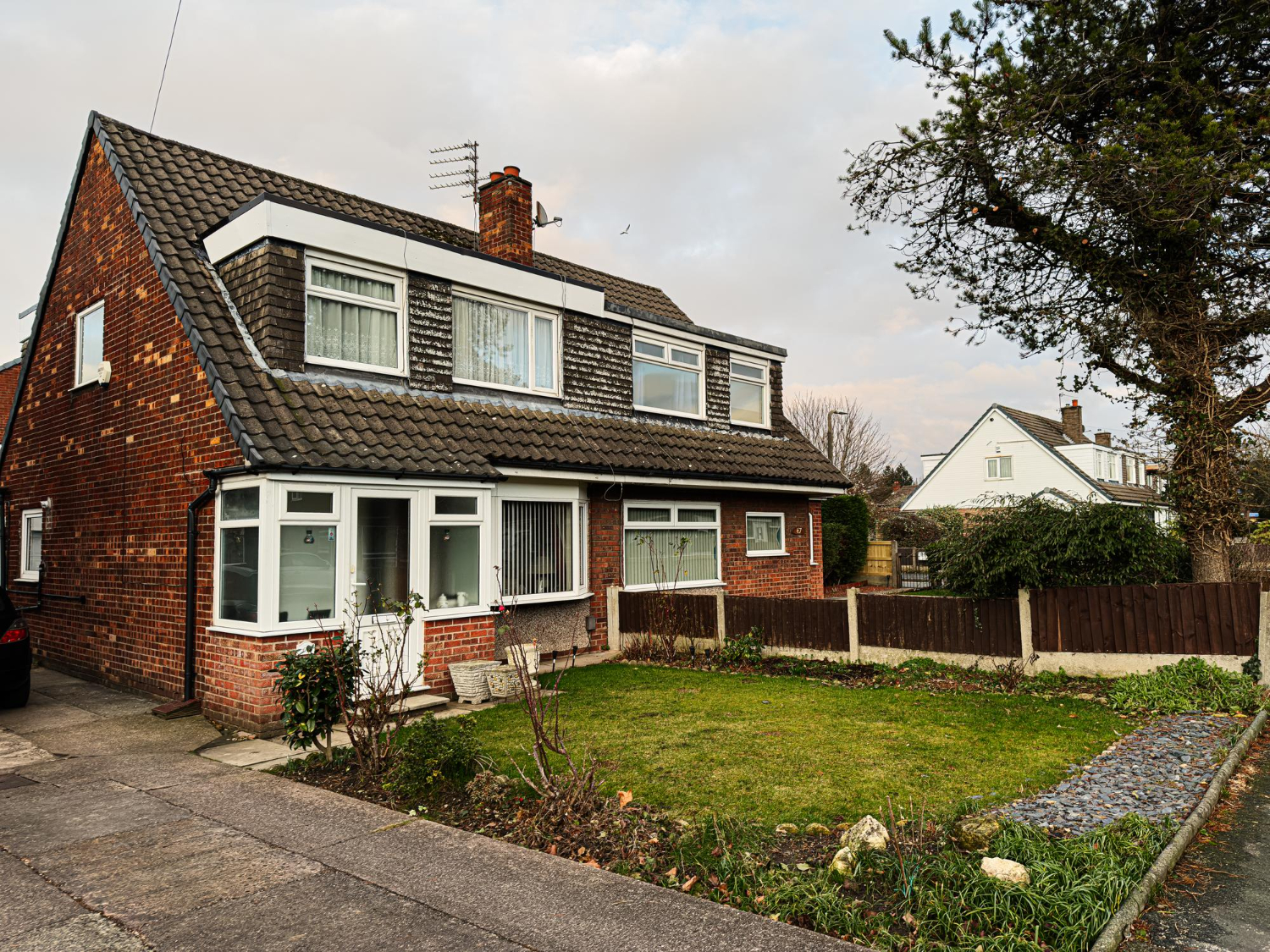
Buying a children’s home is not like buying any other small business. Yes, there is a property, a P&L, and a set of operational headaches to manage. But there is also a group of vulnerable young people whose lives depend on the decisions made under that roof. Anyone weighing up buying a children’s home needs to hold both of those truths at once.
Is buying a children’s home a good investment? It can be, for the right person. Demand for placements is on the rise, and well-run homes can be genuinely profitable. But the sector carries heavy regulatory scrutiny, high staffing costs, and an emotional weight that few other business purchases come with. It suits operators who care about the outcomes first and the returns second.
What buying a children’s home actually involves
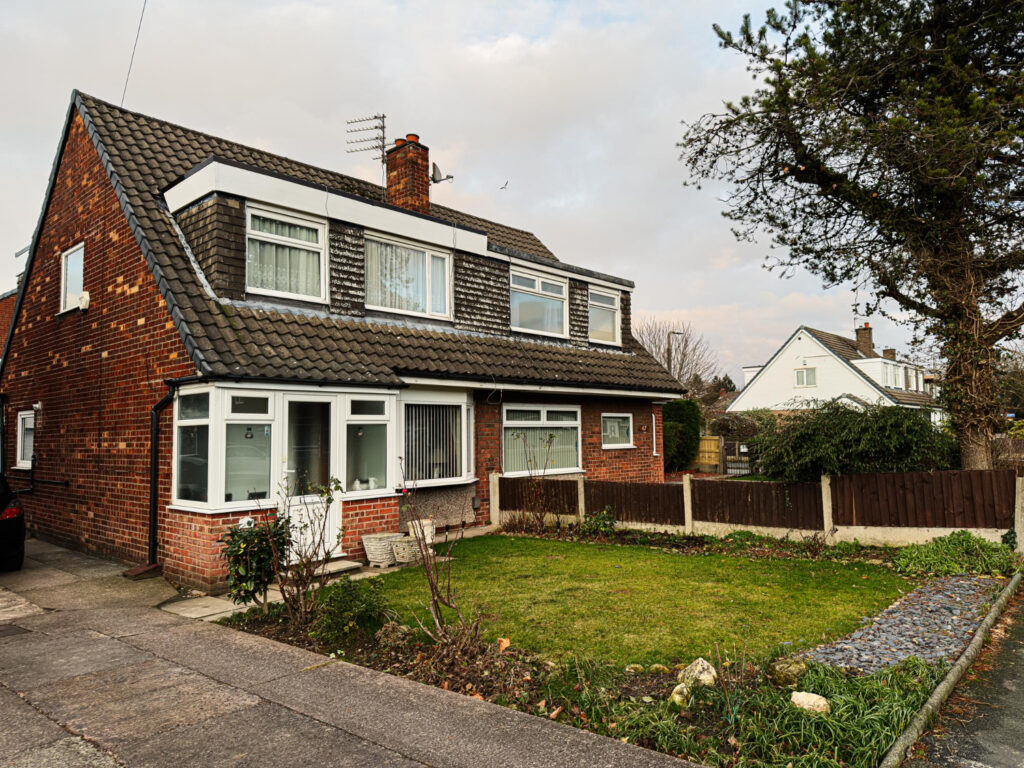
Buying a children’s home usually means acquiring an already-registered home with staff and children in place, as well as the house itself, which may be owned or leased.
Acquiring an existing home means inheriting its Ofsted rating, its staff contracts, its local authority relationships, and its reputation, good or bad. There will be a culture of how things are done, systems and processes that will be embedded, and perhaps a staff team that is resistant to change.
Any acquisition requires a deep analysis of the strengths and weaknesses of the home. You must then consider if you feel your skills and knowledge will drive the home forwards and lead to better outcomes for the young people.
The regulatory reality
Ofsted inspects every home at least once a year, and often more frequently if concerns are raised. Ratings run from Inadequate through to Outstanding, and they are public. A poor rating does not just risk closure, it can end referrals from local authorities almost overnight, with many councils opting not to place children in a home rated below Good.
This is the part of buying a children’s home that catches out operators coming from other sectors. In hospitality or retail, a bad review is a reputational dent and potentially even an opportunity. In residential childcare, a poor Ofsted rating can put huge financial pressure on the home and lead to its closure.
Even homes that have a rating of Good or Outstanding from their last Ofsted report may not be well placed to maintain their rating. For example, if the home has been without a registered manager for a prolonged period, if the home has used an excessive number of agency staff or has breached the permitted ratio of agency staff allowed on duty, if staff are outside of Ofsted’s timeframes to complete their Diploma’s, and of course if it is found that the home has mismanaged any serious safeguarding issues, physical interventions, or complaints.
The costs of setting up or buying in
Setting up a children’s home from scratch typically means buying or leasing a suitable property, adapting it to meet practical and safety standards, and covering registration costs before being able to operate it and receive a cash flow. Property costs vary hugely by region, but budgeting well into six figures before opening is realistic once refurbishment, furnishings, and compliance work are included.
Buying an existing registered home changes the cash flow picture. There is often income from day one if placements are already in place, but the purchase price reflects that: established homes with strong Ofsted ratings and steady local authority relationships command a premium.
The best option for any given person is ultimately down to their skillset, vision, and individual circumstance. Opening a children’s home from scratch is a long journey, but in many ways it can be more satisfying to develop a service from the ground up. If on the other hand you are keen to make an impact with young people straight away and hit the ground running as it were, acquiring an existing one could be the right step to take.
Staffing: the hardest part nobody warns you about
Staffing is where most children’s home businesses succeed or fail, and it rarely gets enough attention before purchase. Homes need a stable, well-trained team of residential care workers, seniors and/or a deputy, a registered manager, and a responsible individual. There should be enough depth to cover sickness and annual leave, without compromising ratios.
Turnover in residential childcare is high across the sector, and a home that loses key staff is likely going to struggle and have to go through a period of transition. Agency staff can plug short-term gaps, but reliance on them erodes consistency for children who need stability more than almost anything else.
Anyone buying a children’s home should look hard at the existing team before signing anything. A strong, settled staff group is much more valuable than the building itself.
Demand and the case for profitability
Local authorities across the UK are placing children outside their own borders because they simply don’t have enough registered homes locally. That gap has kept demand for quality placements high and shows little sign of closing soon. However, not every local authority has sufficiency problems, and so that should form part of any due diligence.
Well-run homes with good or outstanding Ofsted ratings can command strong weekly fees from local authorities, and occupancy tends to be stable once a home builds a reputation. This is the commercial case that draws investors into the sector in the first place.
That said, profitability follows quality, not the other way round. Homes that cut corners on staffing or safeguarding to protect margin tend to see both their rating and their referrals fall, which erodes the very profitability they were chasing. A clear focus on delivering high-quality care will support financial viability.
The ethical weight that comes with the business
Every child in a registered children’s home has already experienced disruption, and often trauma, before they arrive. Buying a children’s home means taking on responsibility for their day-to-day safety, wellbeing, and stability, not just the property they live in.
This is not a criticism of the sector, most operators enter it because they care about outcomes for young people. But it is a genuine consideration that separates this purchase from buying a commercial asset. Decisions about staffing, budgets, and property maintenance have a direct, and immediate effect on the lives of children.
Anyone who isn’t comfortable with that weight of responsibility should look elsewhere. Every operational decision, from the food and activity budget to the investment made in staff training, has an impact.
Is it the right move for you?
Buying a children’s home suits operators who can hold two priorities at once: strong, ethical care for children, and the operational discipline to run a compliant, financially sound business. It does not suit anyone looking for a passive investment or a quick return.
The homes that thrive tend to have experienced registered managers, stable staff teams, and owners who treat Ofsted compliance as the floor, not the ceiling. Get those three things right and the commercial case largely follows.
Conclusion
Buying a children’s home is a serious commitment, financially, operationally, and ethically. The regulatory bar is high, staffing is genuinely difficult, and the responsibility for vulnerable children sits with the owner from day one. But for operators who get the fundamentals right, it is a sector with real demand, stable income, and the chance to do work that actually matters.
If you’re weighing up buying an existing home or setting up a children’s home from scratch, get advice early from someone who has run a registered home before and has experience of owning a business. Changing Outcomes has helped 50+ clients get registered and has also advised on children’s home acquisitions. Our founder Andrew Roberts oversees this part of operations, and so you have the peace of mind that you are working with a specialist in this area.
Frequently asked questions
Is buying a children’s home a good investment?
There can be good margins for operators who prioritise quality of care and staffing stability, since well-rated homes attract steady referrals and strong weekly fees from local authorities. However, it is not a good fit for anyone looking for a passive or low-involvement investment.
How much does it cost to set up a children’s home?
Costs vary by region and property type, but budgeting well into six figures before opening day is realistic once property, refurbishment, staffing, and registration costs are included. Buying an existing home that is registered comes with the infrastructure already in place, but expect to pay a premium for a well-established service with a good reputation.
What licences do you need to run a children’s home?
All children’s homes in England must be registered with Ofsted under the Care Standards Act 2000. Ofsted will view any change of ownership as a regulatory event, not just a business transaction, because the “registered provider” is intimately tied to legal and safeguarding responsibilities for the young people residing in the home. They advise that when there is a change in who “makes up the registered person”, this should be notified as soon as possible, assessed, and accepted, to ensure continuity of safe care.
What is the biggest risk when buying a children’s home?
Staffing instability is the most common cause of problems, since high turnover or reliance on agency staff can quickly affect both the quality of care and the Ofsted rating. A poor inspection outcome can significantly reduce local authority referrals and suggests that there are underlying issues within the home.
